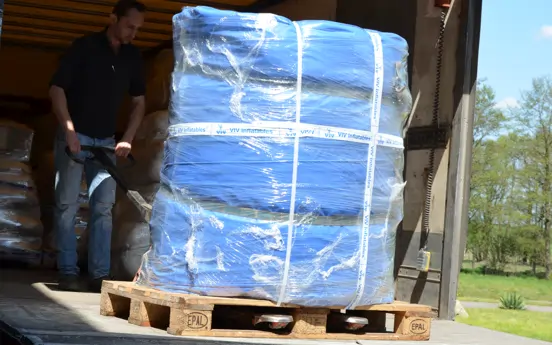
Inflatable repair
Commercial inflatable repair - PVC tears, seams, slide sheets, anchor points, netting and blower symptoms - assessed for a safe return to your booking calendar.
Inflatable repair details ›Route a damaged commercial inflatable or mechanical attraction to the right VIV repair track - assessment, turnaround, collection and return-to-service confirmed per enquiry.
Commercial inflatable repair - PVC tears, seams, slide sheets, anchor points, netting and blower symptoms - assessed for a safe return to your booking calendar.
Inflatable repair details ›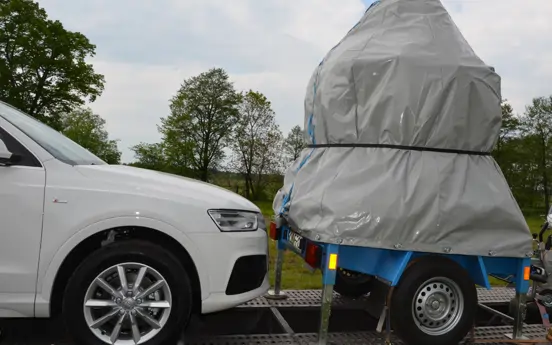
Mechanical attraction repair and refurbishment - structure, controls, moving parts, restraints and servicing - assessed for a safe return to operation.
Mechanical attraction repair details ›When equipment is damaged, the commercial question is simple: can it return to the booking calendar safely, quickly and at a sensible cost per booking? This services area routes owners to the right repair track for inflatable play equipment or mechanical attractions, with VIV-specific repair scope, turnaround, collection and documentation to be confirmed per enquiry.

The strongest repair service for an operator is not just a patch or a replaced part. It is a clear route from damage report to safe return-to-service, with downtime, repair days, re-test status and cost per booking visible before the next event is promised.
Use the inflatable track when the issue is PVC, seams, slide sheets, anchor points, netting, blower symptoms or air loss. Use the mechanical track when the issue involves frames, movement, controls, restraints, motors or ride operation. Choosing the right track first reduces intake delay and protects repair turnaround.
Mechanical repairs need a different risk review from PVC and seam work. Inflatable repair often focuses on air retention, fabric strength and re-test status, while mechanical repair focuses on controls, structure, moving parts and ride safety. Separating the tracks helps an owner avoid repair days lost to the wrong technician or workshop.
Downtime starts before the repair begins if the first message is incomplete. Send photos, dimensions, product type, fault location, last inspection date, blower or control symptoms, and the next booking date. That lets the repair team judge urgency, possible write-off and whether workshop access will affect repair turnaround.
A repair may still be poor value if fabric is brittle, mildew has weakened PVC, controls are obsolete, or structural wear is wider than the visible fault. The decision should compare repair days, booking value and remaining seasons of service against replacement cost.
For any repair, ask whether the work changes re-test status. Inflatables may need inspection after structural seam or anchor-point work; mechanical rides may need functional, electrical, structural or third-party inspection before operation. Clear re-test status keeps repaired equipment from sitting unused after the physical repair is finished.
If the equipment is from a third-party manufacturer, the key questions are material compatibility, parts availability, drawings, control documentation and liability for previous modifications. Confirming this early protects repair turnaround and prevents transport cost on a unit the workshop cannot support.
Send photos, product details and the next booking date. We'll confirm repair scope, turnaround and logistics.
We're bringing back a good old tradition. The earlier you order, the more stays in your pocket!
See how much you can save